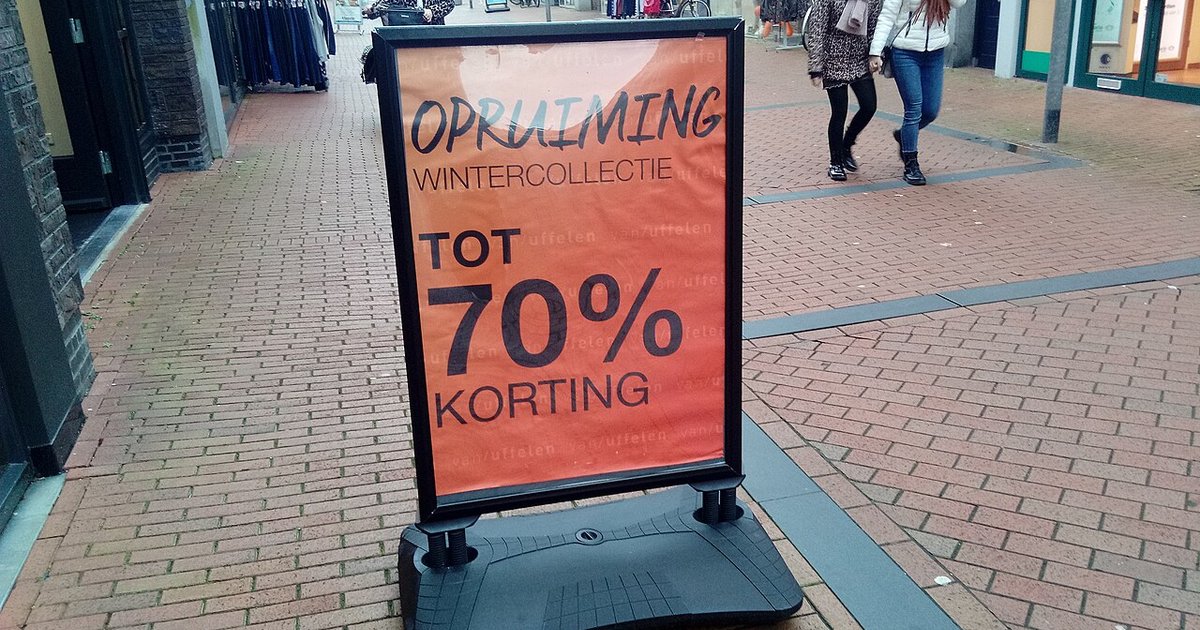
Major shopping seasons bring a wave of sale banners, countdown timers, and percentage-off badges across almost every retail site. While many of these discounts are genuine, some are less meaningful than they appear, and knowing the difference can lead to smarter purchase timing.
Some retailers set an artificially high "original" price shortly before a sale begins, making the markdown look larger than the item's real recent value. Others run near-constant "limited time" sales that rarely actually end, which can make urgency messaging less meaningful than it first appears.
Checking a product's price history, when available through browser tools, or simply remembering what an item cost a few weeks earlier, is one of the most reliable ways to judge whether a seasonal deal is genuinely worth acting on.
Planning larger purchases around known sale periods can lead to real savings, particularly for electronics, appliances, and seasonal goods. The key is treating urgency messaging with healthy skepticism and comparing against a clear sense of an item's normal price before deciding a deal is too good to pass up.

Understanding Customer Service Channels: Chat, Phone, and Email Support When something...
Read More
Gift Shopping Online: Tips for Timing, Sizing, and Delivery Buying gifts online offers...
Read More
How to Research a Product Before Buying It Online With so much information available,...
Read More
A Practical Guide to Shopping Cart Abandonment (From the Buyer's Side) Most online...
Read More